The Best Cuban Bakery Experience in Aurora CO Starts Here
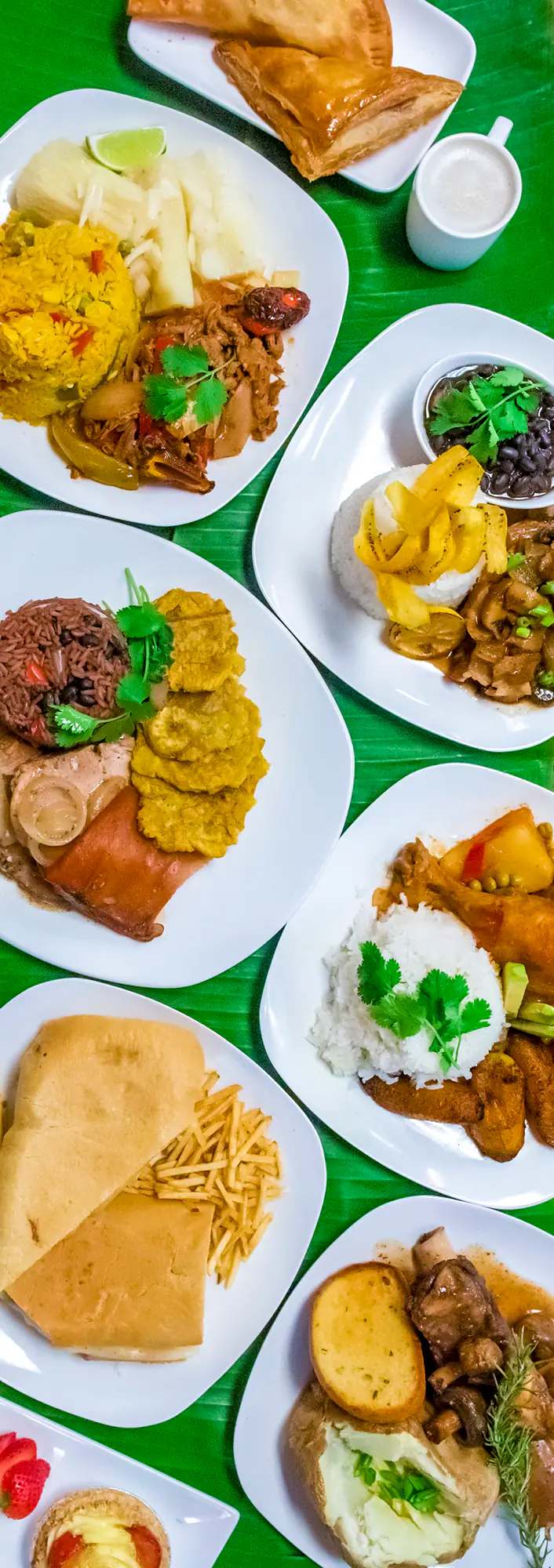
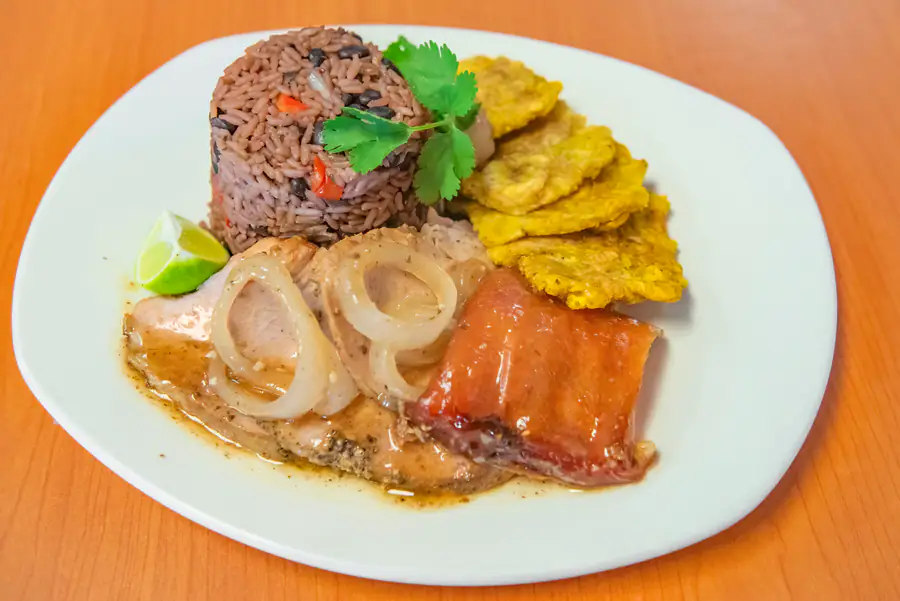
There is a certain kind of bakery you do not forget. You remember it by smell first, butter lifting off warm pastry, espresso pulling deep and dark, guava hitting the air with that bright, almost floral sweetness. Then you remember the rhythm. The quick movement behind the counter. The easy switch between English and Spanish. The display case that asks you to slow down for a minute because choosing just one thing feels like a mistake.
If you have been searching for a true Cuban bakery Aurora CO locals would happily drive across town for, you are not just looking for dessert. You are looking for atmosphere, technique, consistency, and the kind of food that carries memory in every bite. A great Cuban bakery does not rely on novelty. It wins on execution. Flaky dough has to shatter the right way. Croquetas should have a crisp shell and a creamy center, not a greasy one. Cuban coffee should come out bold, sweet if ordered that way, and never tired or burnt.
That is what separates a bakery worth revisiting from one that feels like a one-time stop.
What makes a Cuban bakery feel authentic
Authenticity gets thrown around too casually in food writing, and usually without much care. In practice, most customers are not looking for some rigid museum version of Cuban baking. They want a place that respects the tradition, understands the details, and serves food that tastes lived-in rather than assembled for show.
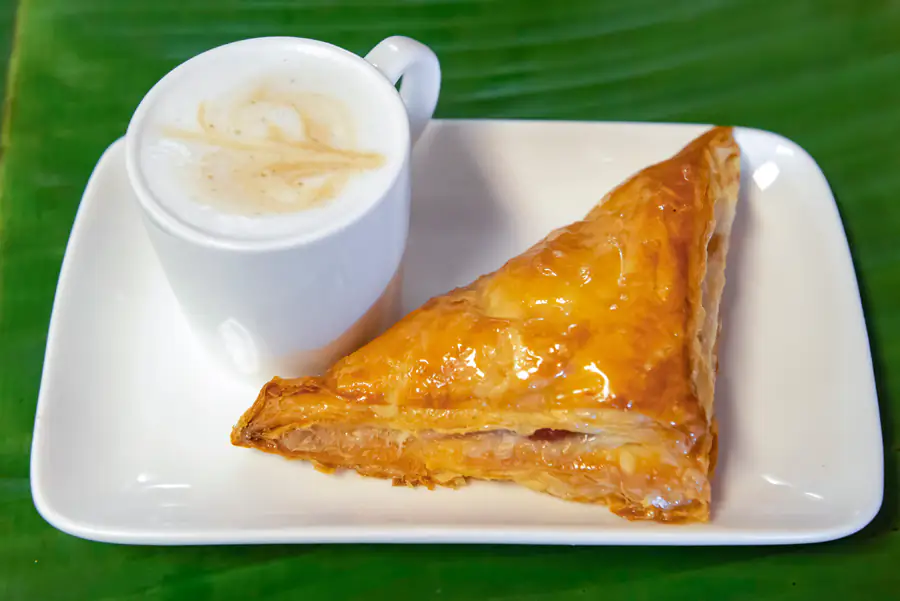
A strong Cuban bakery usually begins with staples that have earned their place over decades. Pastelitos, often filled with guava, cheese, coconut, or seasoned meats, should have layers that puff and crisp without drying out. Cuban bread should feel light for its size, with a delicate crust and a soft interior that holds up to pressed sandwiches. Cakes and sweets should deliver sweetness with balance, not overload. And coffee, always coffee, has to matter.
The experience also matters more than many people realize. Cuban bakeries are often neighborhood spaces first and retail spaces second. People stop in for breakfast on the way to work, grab a midafternoon cafecito, pick up pastries for the office, or take home bread and sandwiches for family. You can feel that pattern in a good shop. It is busy in practical ways. Nothing feels staged.
In Aurora, where the food scene is shaped by many immigrant communities and a broad range of regional traditions, that kind of bakery fills a very specific role. It offers comfort food with real craft behind it. It can satisfy someone chasing nostalgia and someone trying Cuban pastries for the first time in the same visit.
The details that separate a good visit from a great one
A bakery can have the right menu and still miss the mark. The best ones understand timing, texture, and turnover.
Freshness shows up immediately in laminated pastry. If pastelitos have been sitting too long, you lose the contrast between the outer crispness and the tender inner layers. Fillings may still taste good, but the structure is gone. The same goes for savory items. A ham croquette eaten at the right moment has a clean crunch and a center that stays light and creamy. When it has lingered under heat too long, the shell toughens and the filling turns heavy.
Coffee is another honest measure. Cuban coffee is not subtle, and it should not pretend to be. A proper cafecito is short, potent, and sweet in a way that works with the roast rather than covering it. A café con leche should feel rich and balanced, not watery. If the bakery treats coffee like an afterthought, it usually shows in the rest of the operation too.
Then there is the case itself. A display packed with variety is exciting, but a smaller case with faster turnover often serves customers better. I would rather choose from a tighter range of pastries that are clearly moving than from a broad spread that looks untouched since early morning. This is one of those trade-offs experienced bakery regulars learn quickly. Variety matters, but freshness matters more.
Why Cuban pastries have such lasting appeal
Part of the appeal is texture. Cuban baking leans hard into contrasts. Flaky pastry around a sticky guava filling. Crisp sugar on top of something buttery beneath. Tender bread with a pressed, crackling exterior once it becomes a sandwich. These foods know how to keep the palate interested.
Part of it is cultural memory. Many classic Cuban bakery items are built for sharing, grabbing on the go, or bringing home in boxes. They belong to mornings, holidays, office breaks, family gatherings, church events, and ordinary errands. Food with that kind of built-in role tends to outlast trends.
And part of it is simple practicality. A Cuban bakery works at different hours and for different appetites. You can walk in wanting breakfast, lunch, coffee, something sweet, or all four. That range is useful, especially in a city like Aurora where people often want quality without ceremony. A bakery can be casual and still feel special. In fact, the best ones often do.
What to order when you want the full experience
The first visit is where people either overthink the menu or play it too safe. I have seen both. Someone orders only coffee and misses half the point. Someone else loads up on sweets without trying the savory side and leaves with an incomplete picture of what the bakery does best.
If you want to understand a Cuban bakery, build your order across categories. Start with a savory item while you are still hungry, add one or two pastries that show the sweet side of the case, and finish with coffee. That sequence tells you a lot about the kitchen.
A classic route might be a ham croquette or a Cuban sandwich if available, followed by a guava and cheese pastelito, then a cafecito. If you prefer something lighter, buttered Cuban toast and café con leche can be enough to reveal whether the bakery understands its fundamentals. Bread quality becomes impossible to hide in a simple order.
There is also value in ordering the item that looks almost too ordinary. Every bakery has showpieces, but staples are where consistency lives. The plain croquette, the standard pastelito, the basic loaf, the everyday coffee order, these tell you whether the bakery can repeat quality all day, not just impress in a photo.
The role of bread, often underestimated
People love to talk about pastries, but bread is usually the backbone. Cuban bread in particular deserves more respect than it gets. At first glance it can seem modest. No dramatic scoring, no artisan branding, no self-conscious storytelling. Yet good Cuban bread requires judgment. The crumb should be soft without collapsing. The crust should be thin, not leathery. It needs enough structure for pressed sandwiches while remaining easy to tear by hand at the table.
In a bakery setting, bread often reveals discipline. Dough fermentation, oven timing, humidity control, and daily workflow all show up there. When the bread is right, sandwiches make sense. Toast makes sense. Even the smell of the room makes more sense.
For customers in Aurora looking for a Cuban bakery experience that extends beyond sweets, bread is one of the strongest indicators that they have found the right place. A bakery that gets bread right usually respects the rest of the menu too.
Coffee is not a side note
There are bakeries where coffee functions as a convenience item. Cuban bakeries do not have that luxury. Coffee belongs to the identity of the place.
A cafecito is small, but it changes the pace of a visit. People linger over it. They pair it with pastry. They stop in just for that one shot and leave satisfied. It is social, habitual, and deeply tied to the bakery atmosphere. A café con leche does a different job, especially in the morning. It softens the edges of the day without losing strength.
One practical thing customers sometimes miss is that sweetness levels are part of the tradition. If you are used to less sugar, ask questions. Some drinks arrive sweet by default, and that is not a flaw. It is part of the profile. Good staff will usually guide you if you are new to the format.
A strong coffee program does not have to be elaborate. It just has to be reliable. The espresso should taste alive, not stale. Milk drinks should stay balanced. Service should move quickly, because Cuban bakery coffee is woven into daily routine. People are not always there for a leisurely third-wave experience. They want speed, warmth, and flavor with no fuss.
What locals usually notice before visitors do
First-time customers often focus on the pastry case. Locals watch patterns. They notice what sells out early, what gets restocked often, and which items regulars order without looking at the menu. Those small signals matter.
They also notice whether the bakery performs well under pressure. A bakery can feel charming on a quiet late morning. The real test comes during the breakfast rush or lunch hour, when tickets stack up and the line starts to move in bursts. Does the staff keep the energy steady? Do sandwiches still come out pressed correctly? Are pastries handled with care even when business picks up?
That kind of operational competence rarely gets written about, but it is one of the reasons some bakeries become fixtures. The food is part of it. The dependability is the rest.
For anyone seeking the best Cuban bakery Aurora CO has to offer, I would pay attention to that local rhythm. If you see regulars greeting staff by name, carrying out pastry boxes for work, or picking up coffee with the ease of habit, you are probably in the right place.
Choosing for breakfast, lunch, or a sweet stop in the afternoon
One strength of a Cuban bakery is that it can meet different needs across the day without feeling scattered.
In the morning, the move is often coffee with toast, a pastry, or a savory handheld item. It is filling without being cumbersome. For lunch, the menu leans more heavily on sandwiches, breads, and warm savory choices that travel well and satisfy. By midafternoon, the bakery becomes a reset button, a place for sugar, caffeine, and ten quiet minutes before the rest of the day resumes.
That flexibility is part of why Cuban bakeries age so well in a neighborhood. They do not depend on a single rush. They become woven into multiple routines. Someone may know the place for breakfast only. Someone else swears by the lunch sandwich. Another customer shows up strictly for guava pastries and coffee after work. The bakery serves all of them without changing its identity.
A few smart ways to order on your first visit
If you are new to this style of bakery, there are a few easy ways to get more from the experience without overcomplicating it.
- Pair one savory item with one sweet pastry and a coffee.
- Ask what came out fresh if you are visiting outside the morning rush.
- Buy extra pastries if you are taking them home, they disappear quickly.
- Try guava and cheese if you are undecided, it is classic for a reason.
- If the bakery offers Cuban bread by the loaf, bring one home.
That is enough structure to guide a first order, but not so much that you stop following your appetite.
Why guava and cheese remains the benchmark
Some pairings work so well they stop needing explanation. Guava and cheese is one of them. The fruit brings brightness and sweetness with a touch of acidity. The cheese, often creamier and milder, reins it in. Wrapped in pastry, the combination lands with balance rather than excess.
It is also a useful benchmark because it is hard to fake. If the filling ratio is off, the pastry gets cloying or bland. If the shell is underbaked, the whole thing tastes flat. When done well, though, the contrast is immediate and complete. You get aroma, texture, sweetness, salt, and richness in one bite.
For customers trying to judge the quality of a Cuban bakery in Aurora, this pastry is about as telling as it gets. It is familiar enough to compare across shops and specific enough to reveal technique.
The social side of the bakery matters more than people admit
Food quality is the baseline. But what keeps people coming back is often the feeling that the bakery understands its role in the day. A good Cuban bakery can be quick without being cold. It can serve a line efficiently while still making space for conversation. That balance is harder to achieve than it looks.
There is a warmth to these spaces that does not come from décor alone. It comes from repetition and confidence. Staff know how to move. Orders https://claytonmefz849.lakeviewbrief.com/posts/planning-a-sweet-visit-to-a-cuban-bakery-in-aurora-co come together cleanly. Customers know where to stand, what to ask for, which pastry they meant even if they forgot the name. That ease is a sign of a place that belongs to its community.
In a city as broad and varied as Aurora, places with that kind of embedded identity stand out. People can get coffee anywhere. They come back to a bakery because it feels human, specific, and worth detouring for.
How to tell if a bakery is worth the drive
This is the question people ask quietly before trying any specialty bakery outside their immediate neighborhood. Is it good enough to justify the trip?
Usually, the answer comes down to a short list of practical markers:
- The bakery has strong turnover and visibly fresh products.
- Core items like bread, coffee, and standard pastries are consistently good.
- Savory and sweet options both hold their own.
- The staff can guide new customers without making the experience feel formal.
- You leave already thinking about what to try next time.
That last point matters. Great bakeries create a return plan almost by accident. You buy one pastry and regret not buying three. You notice a tray heading out of the oven after you have already paid. You remember the bread at dinner and wish you had picked up another loaf.
What the best Cuban bakery experience really feels like
It feels generous, but not sloppy. It feels efficient, but not rushed. It feels rooted in tradition, while still meeting the practical expectations of a modern neighborhood bakery. You should be able to walk in for one coffee and leave happy. You should also be able to bring home a mixed box, feed a table, and feel just as satisfied.
When people talk about finding the right Cuban bakery Aurora CO residents genuinely support, they are usually describing more than a menu. They are describing a place where the basics are handled with respect and the small details are taken seriously. The pastries are fresh. The coffee has conviction. The bread earns a second look. The savory side is not filler. The service has rhythm.
That combination is rare enough to matter.
If you are starting your search, start with appetite and pay attention to the fundamentals. Order something flaky, something savory, and something hot to drink. Notice the bread. Watch what regulars carry out. Trust the places that smell right before you even reach the counter. The best Cuban bakery experiences begin that way, with instinct sharpened by craft, and a first bite that tells you you made the right stop.
Cuba Bakery & Café
15028 E Mississippi Ave, Aurora, CO 80012
+1 303-752-2822
FAQ About Cuban bakery Aurora CO
What are Cuban pastries called?
Many small Cuban pastries are called pastelitos. They can have sweet or savory fillings, such as guava, cheese, guava and cheese, or seasoned meat. Cuba Bakery & Café lists guava, cheese, guava-and-cheese and beef pastries on its menu. Ask the bakery about current availability and ingredients when ordering.
What are traditional Cuban pastries?
Common Cuban bakery choices include flaky pastelitos filled with guava, cheese or meat. Cuban bakeries may also offer empanadas, breads and desserts alongside coffee. Cuba Bakery & Café lists pastelitos, several empanada fillings, pan Cubano and desserts such as tres leches and bread pudding. Selection can vary, so confirm the day's choices with the bakery.
What makes Cuban bread different?
Cuban bread is known for its light interior and a thin crust that becomes crisp when toasted or pressed. Traditional recipes often use lard, although ingredients vary by baker. It is commonly served as buttered toast or used for Cuban sandwiches. Cuba Bakery & Café lists pan Cubano and tostada on its menu; ask staff about the ingredients in their bread if you have dietary restrictions.