The Rise of Authentic Cuban Bakery Culture in Aurora CO
Aurora has always had a layered food identity. People know it for Korean barbecue, Ethiopian coffee, Mexican mariscos, and the practical kind of neighborhood dining that grows where working families actually live. Over the past several years, another current has become impossible to miss: the steady rise of authentic Cuban bakery culture. What once felt like a niche craving, a place to stop for a pastelito and a cafecito if you knew where to look, has become part of the city’s wider culinary conversation.
That shift matters for more than novelty. A bakery is often the first public expression of a community’s tastes, routines, and memory. Restaurants can make a splash, but bakeries become woven into ordinary life. They open early. They supply birthday cakes, last minute breakfast, holiday trays, and the paper bag of pastries someone carries into work on a Friday morning. When a Cuban bakery takes root in a city like Aurora, it does more than sell sweets. It creates a daily ritual and a place where language, flavor, and hospitality stay intact.
The phrase “authentic” gets thrown around too easily in food writing, and often without much care. In the case of Cuban baking, authenticity is not about performance. It is not about tropical decor, loud music, or generic references to Havana. It lives in the details: the crackle of a guava and cheese pastelito, the balance of sweetness in a flan that sets cleanly but still trembles, the proper weight of a croqueta, the roast and pour of Cuban coffee, the feel of bread that was made to become a midnight sandwich or a pressed Cuban at lunch. Those details separate a genuine Cuban bakery from a shop that merely borrows the language.
Why bakeries often lead the way
In immigrant and diaspora communities, bakeries are usually among the first businesses to gain traction outside their immediate customer base. The reason is simple. Bread and pastry cross boundaries quickly. Someone may not know much about Cuban home cooking, but they understand the appeal of a warm pastry, strong coffee, and a counter full of things that look inviting. A person can walk in with no background, point to what catches the eye, and leave with a new favorite.
Aurora is especially well suited to this kind of culinary exchange. Its population is spread across neighborhoods where strip malls and small commercial centers still serve as real social anchors. That kind of geography favors bakeries. Rent is often more manageable than in trend driven districts, parking is easier, and customers can stop in on the way to work, after school pickup, or between errands. A Cuban bakery does not need a lot of ceremony. It needs consistency, a loyal base, and enough visibility for curious newcomers to walk through the door.
There is also a practical side to bakery growth that outsiders do not always appreciate. Full service restaurants carry higher labor costs, more equipment demands, and a heavier nightly service burden. A bakery is still hard work, often brutally so, but it can grow one tray, one shift, and one regular customer at a time. Owners can start by mastering breakfast traffic, coffee service, and a short pastry case before expanding into custom cakes, sandwiches, savory items, and special holiday production. That path is demanding, but it is often more sustainable.
What makes a Cuban bakery feel truly Cuban
People who did not grow up with Cuban bakery culture sometimes focus first on sweetness. The pastry case certainly draws attention, but the culture is broader than dessert. A proper Cuban bakery carries both sweetness and salt, both celebration and routine. The menu works at 7 a.m., 11 a.m., and 4 p.m. It speaks to the customer grabbing breakfast and to the family ordering for a baptism or birthday party.
The most recognizable staples are familiar for a reason. Pastelitos filled with guava, cream cheese, coconut, or meat are foundational. Croquetas, especially ham or chicken, are not side items in the emotional sense. They are comfort food, conversation food, and often the item people judge first. Cuban bread matters too, even when local conditions complicate the process. Bread on the Front Range behaves differently than bread in South Florida because altitude and dryness change fermentation, proofing, and crust formation. Bakers who know what they are doing adjust hydration, proof times, and oven behavior rather than pretending geography does not matter.
Cake is another major piece of the story. Cuban style birthday cakes are not simply sweet cakes with tropical branding. Texture matters. Filling matters. Frosting style matters. Too dense and the cake loses its celebratory quality. Too airy and it can feel generic. The point is not perfection as judged by social media photography. The point is recognizability to the people who grew up eating it.
Coffee might be the most underestimated marker of authenticity. A bakery can have a polished display case and still miss the emotional center if the cafecito is weak, flat, or handled carelessly. Cuban coffee service is quick, assertive, and deeply social. People meet over it, recover over it, and punctuate their day with it. In many Cuban communities, coffee is not an accessory. It is infrastructure.
Aurora’s conditions created the opening
Food scenes do not develop in a vacuum. Aurora’s rise as a place where a Cuban bakery can thrive comes from several local conditions converging at once. The city has grown more diverse, but more important, that diversity is not superficial. It shows up in shopping patterns, church communities, school networks, and small business ownership. Once enough people in a metro area are actively looking for familiar baked goods, coffee, and celebration cakes, the market strengthens.
At the same time, the wider Denver metro has matured as a dining public. Fifteen years ago, some ethnic food categories were still treated as occasional adventures. Now many diners are far more comfortable seeking out regional specificity. They ask better questions. They notice whether a bakery makes things in house. They can tell when a pastry has been sitting too long. They care about tradition, but they also understand that tradition travels and adapts.
Aurora benefits from being close to Denver without having to imitate it. That gives small food businesses room to develop their own identity. A Cuban bakery Aurora CO customer base is not made of one type of person. It includes Cuban families looking for home, Latino customers from other backgrounds who already understand the format, and non Latino locals who simply become regulars because the product earns repeat visits. That mix is healthy. It means the bakery is not surviving on novelty. It is becoming part of daily life.
The pastries that build a loyal following
The first thing many new customers notice is visual abundance. Cuban bakery cases tend to be generous rather than minimalist. Rows of pastries matter because they communicate hospitality and readiness. But volume alone means nothing if the pastries are not handled correctly.
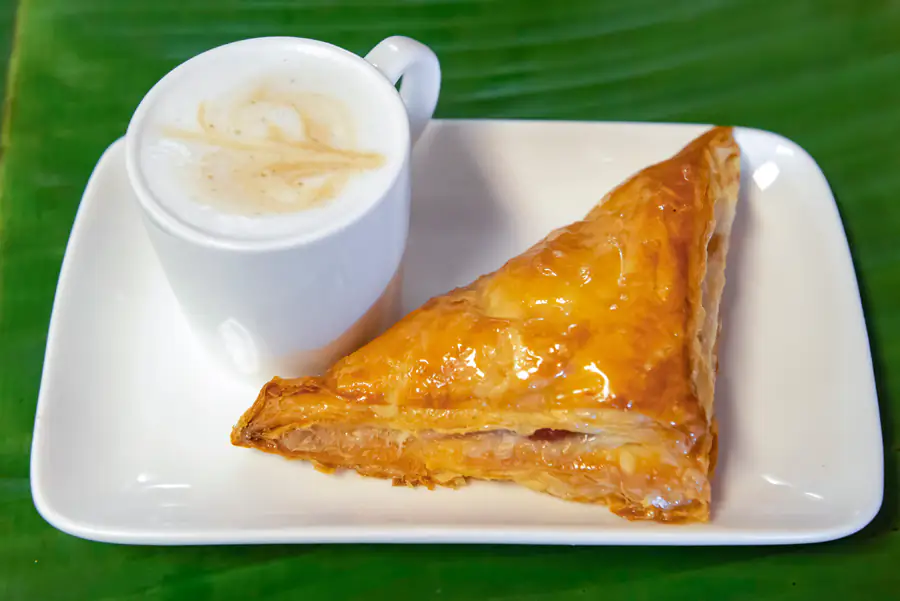
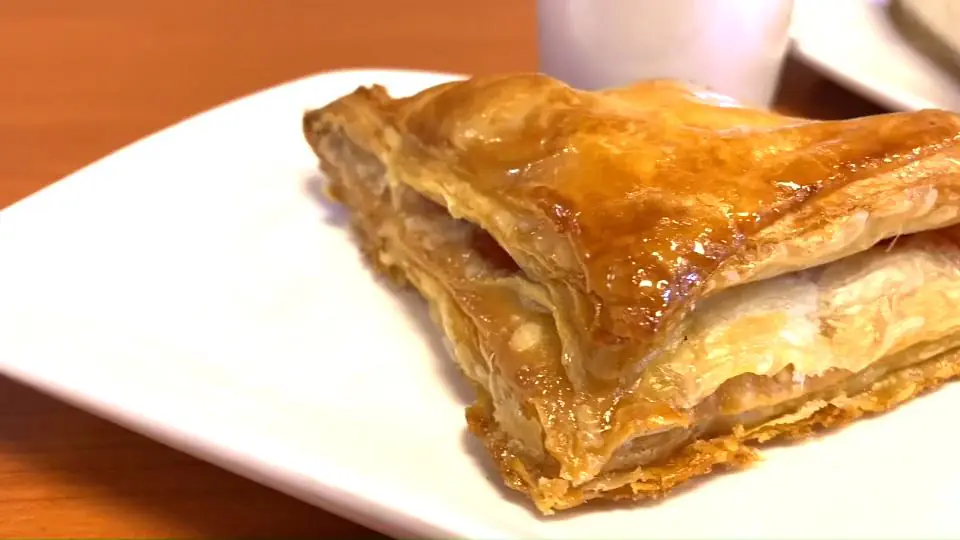
A good pastelito should have distinct layers and a filling that tastes purposeful, not like sugary paste squeezed from a bucket. Guava needs brightness. Cheese should soften the fruit without turning bland. Meat fillings need seasoning and moisture, because a dry savory pastry will lose a customer faster than almost any other mistake. The edges should show some caramelization. The pastry should feel delicate, but not fragile to the point of collapse.
Croquetas are where many shops reveal their standards. They look humble, which is exactly why they expose shortcuts. If the filling is gluey, the breading separates, or the fry oil tastes tired, customers notice. In a strong bakery, croquetas move in volume and are replenished often, which helps maintain quality. The best ones are crisp outside, creamy inside, and seasoned enough to stand on their own without relying on condiments.
Then there are the sleeper hits, items that may not pull in a first time visitor but create attachment over time. A clean, glossy flan. Polvorones with the right crumb. Torticas that manage to be simple and memorable. These are the products that tell experienced customers a bakery is serious. Flashy display pastries can attract attention. Modest classics create trust.
The challenge of preserving tradition at altitude
Any baker working in Colorado has to make peace with the climate. The air is drier, the boiling point shifts, dough behaves differently, and sugar work can be less forgiving than it would be in lower humidity conditions. That matters in every bakery, but it becomes especially important when customers expect products tied to specific memories.
One of the more interesting developments in Aurora’s Cuban bakery scene is how bakers adapt without abandoning identity. A pastry can be made for local conditions and still taste right. Bread may require adjusted proofing. Custards may need careful timing to avoid curdling or over setting. Frostings can behave differently in warm display conditions at altitude. None of this is glamorous. It is technical, repetitive work, and it often happens long before customers walk in the door.
Good owners do not advertise these adaptations as if they were acts of heroism. They simply bake better. But from a trade perspective, that is one reason authentic Cuban bakery culture in Aurora deserves respect. It is not a copy and paste of Miami. It is Cuban baking translated responsibly into Colorado conditions.
More than pastries, a social space with its own tempo
Spend enough time in any successful Cuban bakery and patterns emerge. Early morning often belongs to solo customers, people heading to work, construction crews, nurses coming off overnight shifts, grandparents picking up bread. Midmorning can turn conversational. By lunchtime, sandwiches and savory items pick up. Late afternoon may bring families, cake pickups, and one more round of coffee before the day ends.
That rhythm matters because bakery culture is partly about tempo. A real neighborhood bakery is not designed for hurried spectacle. Even when service is fast, there is usually room for a few extra words, a recommendation, a customer being greeted by name. Those small exchanges are not decorative. They are a core business asset. In food businesses with slim margins, loyal regulars often keep the lights on during slower seasons.
This is one reason a strong Cuban bakery Aurora CO presence resonates beyond the Cuban community itself. People respond to warmth that feels genuine. They come for a guava pastry, then return because the place feels lived in and confident. Many chain coffee shops have spent years trying to engineer that feeling. Independent bakeries do it naturally when they are rooted in habit and care rather than branding language.
Celebration food keeps culture visible
Every bakery has its daily trade, but celebration orders are where tradition becomes visible to a wider audience. A child’s birthday cake, a tray of pastries for a baby shower, dessert for Christmas Eve, sandwiches for a graduation party, these are the moments when bakery culture enters family memory.
Cuban bakeries often shine here because they understand that large gatherings require reliability as much as flavor. A celebration cake cannot just look good at pickup. It needs to travel well, slice cleanly, and satisfy a room full of guests with different preferences and very clear opinions. The same goes for pastry trays and savory platters. People ordering for family events remember whether the bakery delivered what was promised.
That reliability creates multigenerational relationships. One family comes in for a holiday dessert, then returns for birthday cakes, then starts buying weekend pastries almost by reflex. Over time the bakery becomes the default answer to a recurring question: where should we order from? Once a business reaches that status, it has crossed from being interesting to being essential.
What newcomers should order first
People walking into a Cuban bakery for the first time can feel slightly overwhelmed, especially if the case is full and the names are unfamiliar. That is part of the charm, but a little guidance helps. If someone wants the clearest sense of the bakery’s standards, there are a few categories worth trying early.
- A guava and cheese pastelito, because it reveals pastry quality and balance.
- A croqueta, because it exposes frying discipline and savory execution.
- Cuban coffee, because beverages tell you a lot about a shop’s habits.
- A slice of flan or a simple house dessert, because restraint is harder than decoration.
- Fresh bread or a pressed sandwich if available, because staple items show the bakery’s everyday level.
That mix gives a fair picture. If all five are good, the bakery likely has depth. If only the sweetest pastries shine, the menu may be more uneven.
The business side is harder than it looks
Romantic food writing sometimes treats bakery success as though aroma and tradition are enough. They are not. Bakeries are among the most labor intensive food businesses to run well. Production starts early, waste must be monitored carefully, ingredients fluctuate in cost, and demand can https://keeganwvhq904.vantagequill.com/posts/planning-a-sweet-visit-to-a-cuban-bakery-in-aurora-co be highly variable. One rainy Tuesday can feel very different from a holiday weekend.
For Cuban bakeries in Aurora, there are additional balancing acts. Owners often need to serve core customers who expect familiar prices while also coping with rising rent, labor costs, and imported ingredient volatility. There is tension between keeping portions generous and protecting margin. There is tension between expanding a menu and preserving consistency. There is also the question of education. Staff may spend part of every day explaining products to new customers, which is valuable but time consuming.
The strongest operators make these trade offs with discipline. They know which items are non negotiable, which products can be seasonal, and when growth would actually damage quality. They understand that authenticity is not just recipe fidelity. It is operational judgment. A bakery that runs out of key items too early every day frustrates customers. A bakery that overproduces and sells stale pastries by afternoon loses trust just as fast.
Why this movement feels durable
Not every food trend lasts. Some arrive with hype, then fade when novelty burns off. Cuban bakery culture in Aurora looks more durable because it is tied to routine rather than fashion. It answers daily needs. It offers breakfast, coffee, savory snacks, desserts, and event food. It appeals across generations. Most important, it carries emotional meaning for one group while remaining accessible to everyone else.
There is also a larger cultural shift at work. More diners now seek businesses with a point of view, not just broad menus built to offend nobody. A bakery grounded in Cuban tradition has that point of view naturally. Its strengths are specific. Its products tell a story. Customers can feel when that story is lived rather than marketed.
That does not mean every shop will succeed. Some will struggle with consistency. Some will drift into overexpansion. Others may soften their identity too much in pursuit of universal appeal. But the overall trajectory is promising because the demand is not imaginary. It is visible at the counter, in custom order calendars, and in the way these bakeries increasingly become part of Aurora’s food map.
A city shaped by everyday places
The most meaningful food cultures are not built only by destination restaurants. They are built by places people use repeatedly without needing a special occasion. A bakery, perhaps more than any other food business, has the power to become ordinary in the best sense. It can mark the start of a workday, anchor a family gathering, and provide comfort with almost no ceremony.
That is what makes the rise of authentic Cuban bakery culture in Aurora so significant. It reflects a city confident enough to embrace specificity. It shows how tradition survives not by sitting still, but by being practiced daily in a new place with integrity. And it reminds anyone paying attention that some of the most important changes in a local food scene do not arrive with a grand opening buzz. They arrive one pastelito, one croqueta, one cafecito at a time, until suddenly the bakery is no longer a hidden gem. It is simply part of how Aurora eats.
Cuba Bakery & Café
15028 E Mississippi Ave, Aurora, CO 80012
+1 303-752-2822
FAQ About Cuban bakery Aurora CO
What are Cuban pastries called?
Many small Cuban pastries are called pastelitos. They can have sweet or savory fillings, such as guava, cheese, guava and cheese, or seasoned meat. Cuba Bakery & Café lists guava, cheese, guava-and-cheese and beef pastries on its menu. Ask the bakery about current availability and ingredients when ordering.
What are traditional Cuban pastries?
Common Cuban bakery choices include flaky pastelitos filled with guava, cheese or meat. Cuban bakeries may also offer empanadas, breads and desserts alongside coffee. Cuba Bakery & Café lists pastelitos, several empanada fillings, pan Cubano and desserts such as tres leches and bread pudding. Selection can vary, so confirm the day's choices with the bakery.
What makes Cuban bread different?
Cuban bread is known for its light interior and a thin crust that becomes crisp when toasted or pressed. Traditional recipes often use lard, although ingredients vary by baker. It is commonly served as buttered toast or used for Cuban sandwiches. Cuba Bakery & Café lists pan Cubano and tostada on its menu; ask staff about the ingredients in their bread if you have dietary restrictions.